


5 Common Issues Foreign Vessels Face During Port Clearance Procedures in Vietnam
Foreign vessels undergoing port clearance procedures in Vietnam may encounter various challenges related to documentation, information declarations, regulatory inspections, berth scheduling, and port stay costs. In this article, SmartSea examines five common issues and provides practical approaches to addressing them.
1. Overview of Port Clearance Procedures for Foreign Vessels in Vietnam
Port clearance procedures for foreign vessels in Vietnam involve several steps, including submitting declarations, preparing documentation, and coordinating with relevant authorities. Understanding these procedures, the responsibilities of each party, and applicable requirements helps shipowners and shipping lines manage operations proactively, minimize delays, and control operating costs.
1.1 What Procedures Must Foreign Vessels Complete When Entering Vietnamese Ports?
Depending on the vessel type, voyage, cargo, and actual operating conditions, port entry procedures for foreign vessels in Vietnam may include the following activities:
- Declarations to the Maritime Port Authority: Providing vessel details, voyage information, estimated arrival time, and other relevant data for maritime management and vessel traffic coordination.
- Immigration and Customs Formalities: Completing requirements relating to immigration control, vessel movements, and cargo clearance within the jurisdiction of the respective authorities.
- Quarantine Procedures: Preparing documentation and coordinating health inspections, animal quarantine, or plant quarantine procedures where applicable.
- Preparation and Presentation of Vessel Documents: Reviewing documents relating to the vessel, crew members, cargo, and other required certificates in accordance with applicable regulations.
- Completion of Port Departure Formalities: Updating voyage information, fulfilling relevant requirements, and coordinating with the parties involved to obtain permission for vessel departure through the prescribed procedures.
Preparing complete documentation and submitting information within the required deadlines are essential for efficient clearance processing. Missing documents, inconsistent declaration details, or additional verification requirements may prolong procedures and affect vessel operating schedules.
1.2 Parties Involved in Port Clearance Procedures
Port clearance procedures for foreign vessels in Vietnam require coordination among multiple parties, each responsible for specific tasks within their respective areas of authority.
- Shipowners or Vessel Operators: Provide voyage information and statutory vessel documents and oversee activities related to vessel operations.
- Masters and Officers Responsible for Documentation: Prepare and verify actual information concerning the vessel, crew, and voyage, and provide the required documents.
- Ship Agents in Vietnam: Represent shipowners or shipping lines within the scope of their authorization, assisting with declarations, documentation preparation, communication with authorities, and coordination of necessary services.
- Maritime Port Authorities, Border Guards, Customs Authorities, and Specialized Regulatory Agencies: Receive, inspect, and process procedures within their respective jurisdictions in accordance with applicable regulations.
- Port Operators and Maritime Service Providers: Coordinate berth arrangements, cargo handling schedules, pilotage, towage, and other relevant services based on operational requirements.
Throughout this process, the ship agent serves as an important communication link between shipowners, masters, port operators, and relevant authorities. Close coordination, timely updates on schedule changes, and prompt handling of additional requirements help minimize difficulties during port clearance procedures.
=> Read more: What Do Foreign Vessels Need to Prepare Before Arriving at Vietnamese Ports? A Checklist for Shipowners and Masters
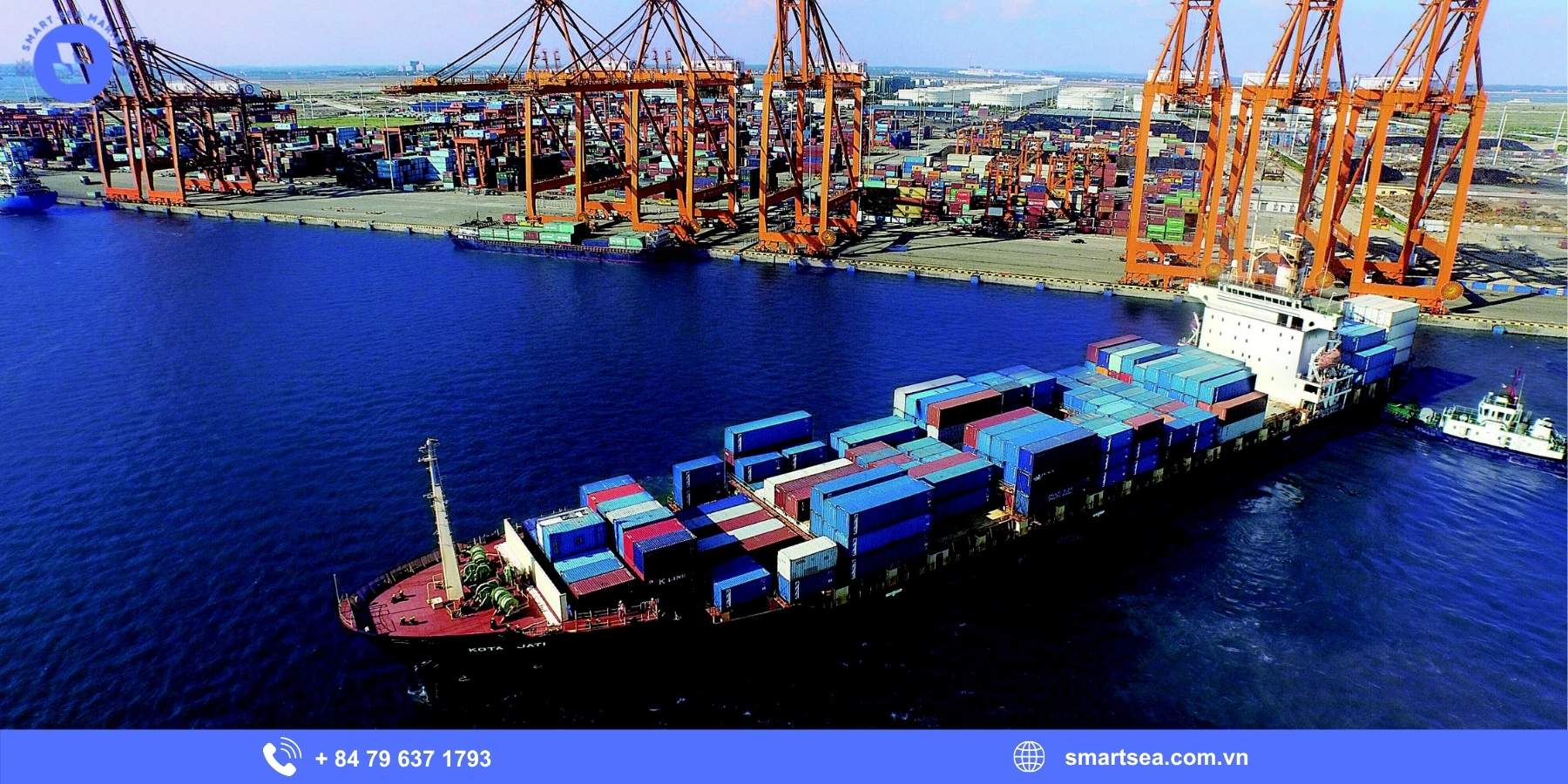
2. Common Issues During Port Clearance Procedures for Foreign Vessels in Vietnam
Port clearance procedures for foreign vessels in Vietnam may involve various challenges that affect arrival schedules and operating costs. Below are five common issues and recommended approaches to help shipowners, shipping lines, and ship agents coordinate operations more effectively.
2.1 Missing, Incorrect, or Inconsistent Vessel Documentation
Incomplete vessel documentation, inconsistencies between documents, or expired certificates may delay document verification and acceptance. Common discrepancies involve vessel names, nationalities, voyage details, crew lists, and cargo information.
Recommended Solutions:
-
Prepare all required documents according to the specific requirements of each voyage.
-
Cross-check information across documents and verify certificate validity and expiration dates.
-
Assign a designated contact person to receive requests and submit additional documentation, minimizing repeated revisions.
2.2 Late or Inaccurate Vessel Information Declarations
Estimated Time of Arrival (ETA), Estimated Time of Departure (ETD), and voyage information may change while a vessel is underway. If these changes are not communicated promptly or declared information does not match the actual documentation, vessel reception and service arrangements may be affected.
Recommended Solutions:
-
Update ETA and ETD immediately whenever shipping schedules change.
-
Verify the accuracy and consistency of information before submitting declarations.
-
Maintain regular communication among masters, shipping lines, and ship agents to ensure relevant parties receive timely updates.
2.3 Additional Inspection, Quarantine, or Verification Requirements
Depending on voyage characteristics and the condition of the vessel, crew, and cargo, competent authorities may require physical inspections, additional documents, or further verification. If the necessary documentation has not been properly prepared, the vessel may have to wait until these requirements are fulfilled before proceeding with related formalities.
Recommended Solutions:
-
Identify applicable inspection and quarantine requirements before vessel arrival.
-
Review vessel, crew, and cargo documentation in accordance with relevant regulations.
-
Coordinate proactively with the ship agent and competent authorities to address additional requirements promptly.
2.4 Changes in Berth Schedules and Operational Plans
Berth schedules may change due to unavailable berthing positions, vessels arriving earlier or later than expected, or adjustments to cargo handling plans. Such changes may require rescheduling pilotage, towage, and vessel movements, potentially disrupting operational schedules.
Recommended Solutions:
-
Monitor berth availability and update ETA regularly.
-
Confirm pilotage schedules, towage arrangements, and vessel reception plans before vessel movements.
-
Coordinate among ship agents, maritime port authorities, port operators, and shipping lines to make timely adjustments to operational plans.
2.5 Additional Costs and Extended Port Stay Duration
Waiting for clearance procedures, berth availability, or delayed cargo handling operations may increase vessel operating costs. Depending on the circumstances, additional expenses may include vessel waiting charges, anchorage fees, pilotage, towage, and other maritime service charges. If service scope, charging periods, or payment responsibilities are not clearly agreed upon, businesses may also face disputes over costs.
Recommended Solutions:
-
Prepare cost estimates and confirm the scope of services before vessel arrival.
-
Agree on charging conditions, service periods, and payment responsibilities among the relevant parties.
-
Maintain supporting documents, schedule change notifications, and waiting time records for verification and reconciliation when necessary.
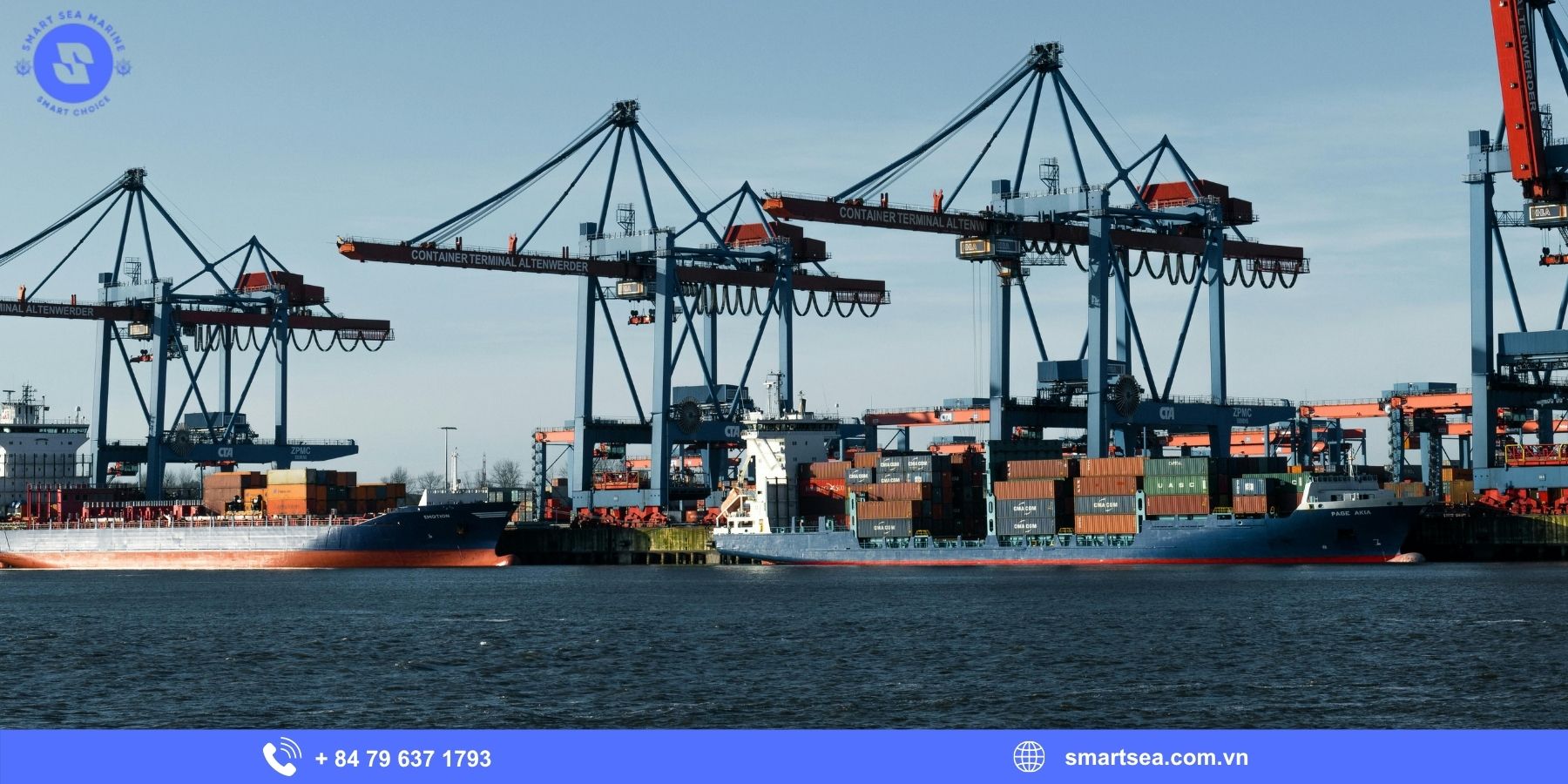
3. How to Minimize Issues During Port Clearance Procedures for Foreign Vessels in Vietnam
To minimize delays and additional costs, shipowners and shipping lines should prepare complete documentation, update vessel schedules promptly, and maintain close coordination with relevant stakeholders. The following solutions help ensure a more proactive and efficient port clearance process.
3.1 Prepare Documentation Before Vessel Arrival
Shipowners and shipping lines should review documentation requirements based on vessel type, voyage, cargo, and intended port of call. Early verification helps identify missing documents, inaccurate information, or expired certificates so that necessary corrections can be made before the vessel arrives, avoiding unnecessary processing delays at the port.
3.2 Coordinate with an Experienced Ship Agent
A ship agent serves as a key point of contact, assisting shipowners and shipping lines throughout port clearance procedures in Vietnam. An experienced agent can support documentation preparation, information coordination, communication with maritime port authorities and relevant stakeholders, and monitoring of procedural progress within the assigned scope of services.
3.3 Closely Monitor ETA, ETD, and Berth Schedules
Estimated Time of Arrival (ETA), Estimated Time of Departure (ETD), and berth allocation plans should be updated regularly. Whenever vessel schedules or operating conditions change, relevant parties should be notified promptly so that vessel reception arrangements, pilotage, towage, and cargo handling plans can be adjusted to minimize waiting time.
3.4 Monitor Time and Additional Costs
Businesses should track vessel arrival times, clearance completion times, berth waiting periods, and cargo handling progress. These milestones should be cross-checked against contracts, service agreements, and supporting documents to identify the causes of additional expenses, control vessel waiting charges, anchorage fees, pilotage and towage costs, and minimize payment disputes.
=> Read more: Factors Affecting Vessel Port Stay Duration in Vietnam
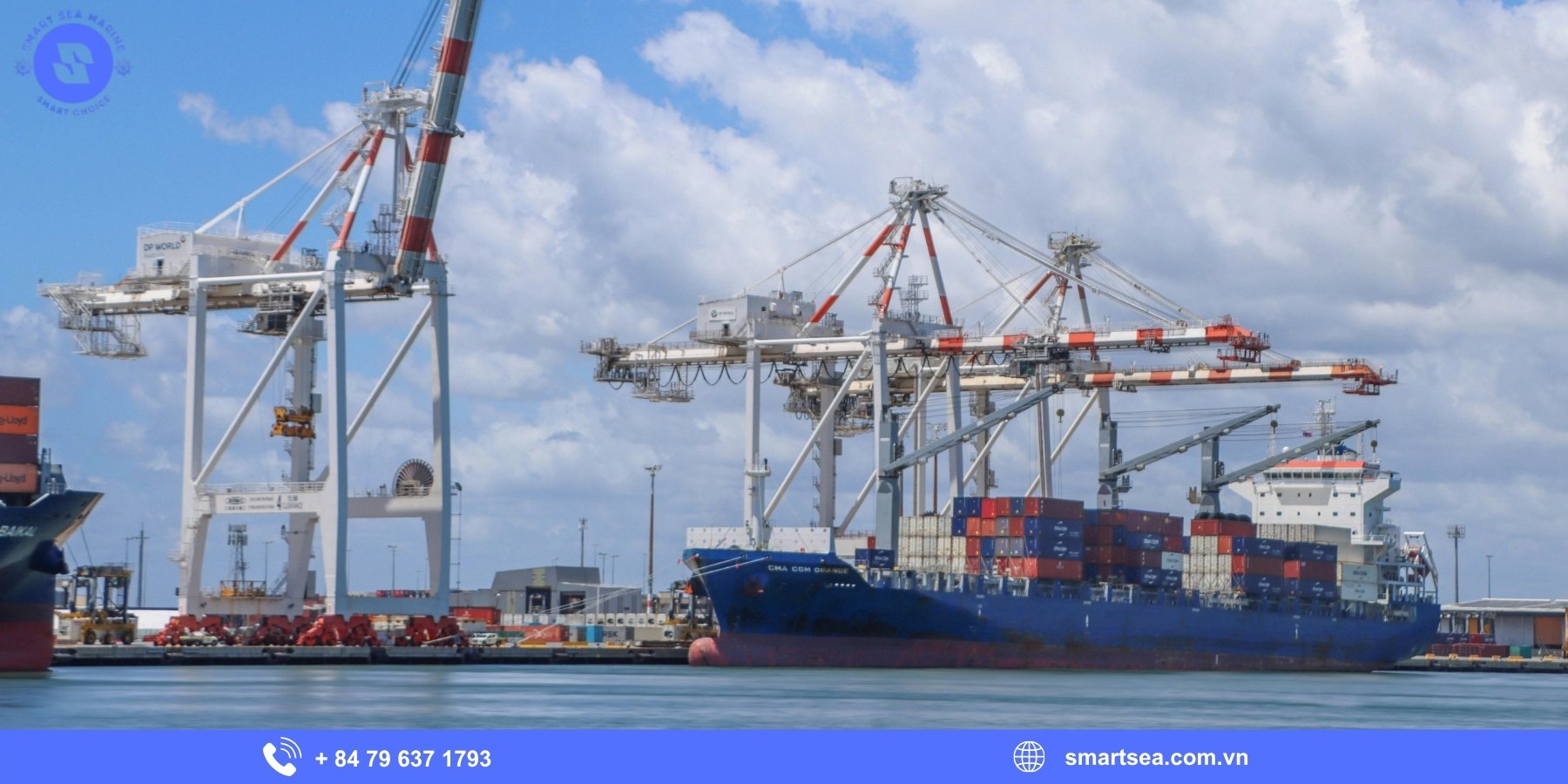
4. SmartSea - A Professional and Experienced Ship Agency
Port clearance procedures for foreign vessels in Vietnam require a thorough understanding of local regulations, effective coordination capabilities, and timely communication among multiple stakeholders. Through its ship agency services in Vietnam, SmartSea assists shipowners and shipping lines with documentation preparation, vessel schedule monitoring, coordination with port service providers, and resolution of operational issues, aiming to facilitate smooth vessel operations, save time, and maintain effective cost control.
Why Choose Us?
- Knowledge of Local Procedures: Understand the requirements related to vessel clearance procedures at Vietnamese ports, helping customers prepare documentation and coordinate operations according to each voyage's specific needs.
- Effective Service Coordination: Connect shipowners, shipping lines, port operators, and maritime service providers to support coordinated vessel reception and port operations.
- Prompt and Timely Responses: Provide schedule updates, communicate important changes, and proactively coordinate solutions to issues that may affect operational progress.
- Cost Transparency: Clearly communicate the scope of services, relevant charges, and payment terms, allowing customers to monitor and manage their budgets more effectively.
- Comprehensive Operational Support: Assist customers throughout documentation preparation, clearance procedure monitoring, and service coordination during vessel port stays, helping minimize operational disruptions and additional costs.
If your business is looking for professional ship agency services in Vietnam to assist foreign vessels with port clearance procedures, SmartSea is ready to support the coordination of formalities, maritime services, and operational issues according to your specific requirements. Contact us today to discuss suitable service arrangements that help facilitate smooth vessel operations and improve cost management.
CONTACT INFORMATION
SMART SEA MARINE COMPANY LIMITED
Address: 4th Floor, Q7 Boulevard Building, 600 Nguyen Luong Bang Street, Tan My Ward, Ho Chi Minh City, Vietnam
Email: ops@smartsea.com.vn
Hotline: +84 79 637 1793


