


Essential Services Checklist Before Every Vessel Arrival in Vietnam
Before every vessel arrival in Vietnam, reviewing all necessary services helps businesses prepare proactively, minimize errors, and ensure smooth port entry operations. In this article, SmartSea shares the essential services that should be checked before each vessel's arrival.
1. Why Is It Important to Review Services Before Vessel Arrival in Vietnam?
Before a vessel arrives in Vietnam, businesses need to review all relevant services to ensure preparations are complete, on schedule, and aligned with port operational requirements. Early verification enables ship agents to handle clearance procedures proactively, control costs, and coordinate effectively with maritime service providers.
1.1 Prepare Vessel Arrival Procedures in Advance
Reviewing services before vessel arrival helps businesses identify the required procedures, necessary documentation, and other requirements related to port entry in Vietnam. Key items to check include:
-
Vessel Arrival Notification: Confirm the vessel's Estimated Time of Arrival (ETA) and submit the required information to relevant parties.
-
Maritime Documentation and Formalities: Verify the completeness and accuracy of documents required for vessel arrival clearance.
-
Pilotage and Towage Services: Confirm service requirements, scheduling, and suitable arrangements based on the vessel's characteristics.
-
Berthing Plan: Check the berthing schedule, anchorage location, and port reception capacity.
Preparing these items thoroughly helps minimize missing documentation, inconsistent information, and clearance delays while supporting vessel arrivals according to the planned schedule.
1.2 Minimize Waiting Times and Additional Costs
Incomplete service bookings or unconfirmed schedules may cause vessels to wait, disrupt operational plans, and generate unexpected expenses. Businesses should review the following factors before vessel arrival:
-
Service Schedules: Confirm maritime service arrangements to minimize unnecessary waiting times.
-
Quotations and Additional Charges: Review service rates, applicable fees, and payment terms with each supplier.
-
Bunkers and Fresh Water: Verify requirements, quantities, delivery schedules, and supplier availability.
-
Garbage Collection and Waste Disposal: Confirm suitable arrangements based on vessel requirements and port regulations.
-
Contingency Plans: Establish procedures for handling ETA changes, service delays, or unexpected requirements.
Early verification allows businesses to adjust schedules proactively, manage budgets, and minimize unnecessary expenses during vessel port stays.
1.3 Ensure Effective Coordination Among Relevant Stakeholders
A vessel's port call typically requires coordination among shipowners, ship managers, ship agents, maritime port authorities, port operators, and maritime service providers. If information is not consistently updated, operations may encounter overlapping responsibilities or services being arranged at inappropriate times.
To improve coordination efficiency, businesses should focus on the following:
-
Align Voyage Information: Share updated ETA, vessel particulars, service requirements, and expected schedules with relevant parties.
-
Assign Clear Responsibilities: Identify the party responsible for each task, completion deadlines, and designated contact persons.
-
Confirm Services Before Execution: Verify booking status, service schedules, and any special vessel requirements.
-
Maintain Continuous Communication: Promptly communicate schedule changes or issues affecting the original operational plan.
-
Monitor Progress: Compare completed tasks against the planned checklist to identify and resolve omissions early.
A clearly defined coordination process helps stakeholders manage their responsibilities proactively, minimize information discrepancies, and ensure services are delivered consistently according to each vessel's requirements.
=> Read more: What Procedures Must Vessels Complete Before Departing Vietnamese Ports?
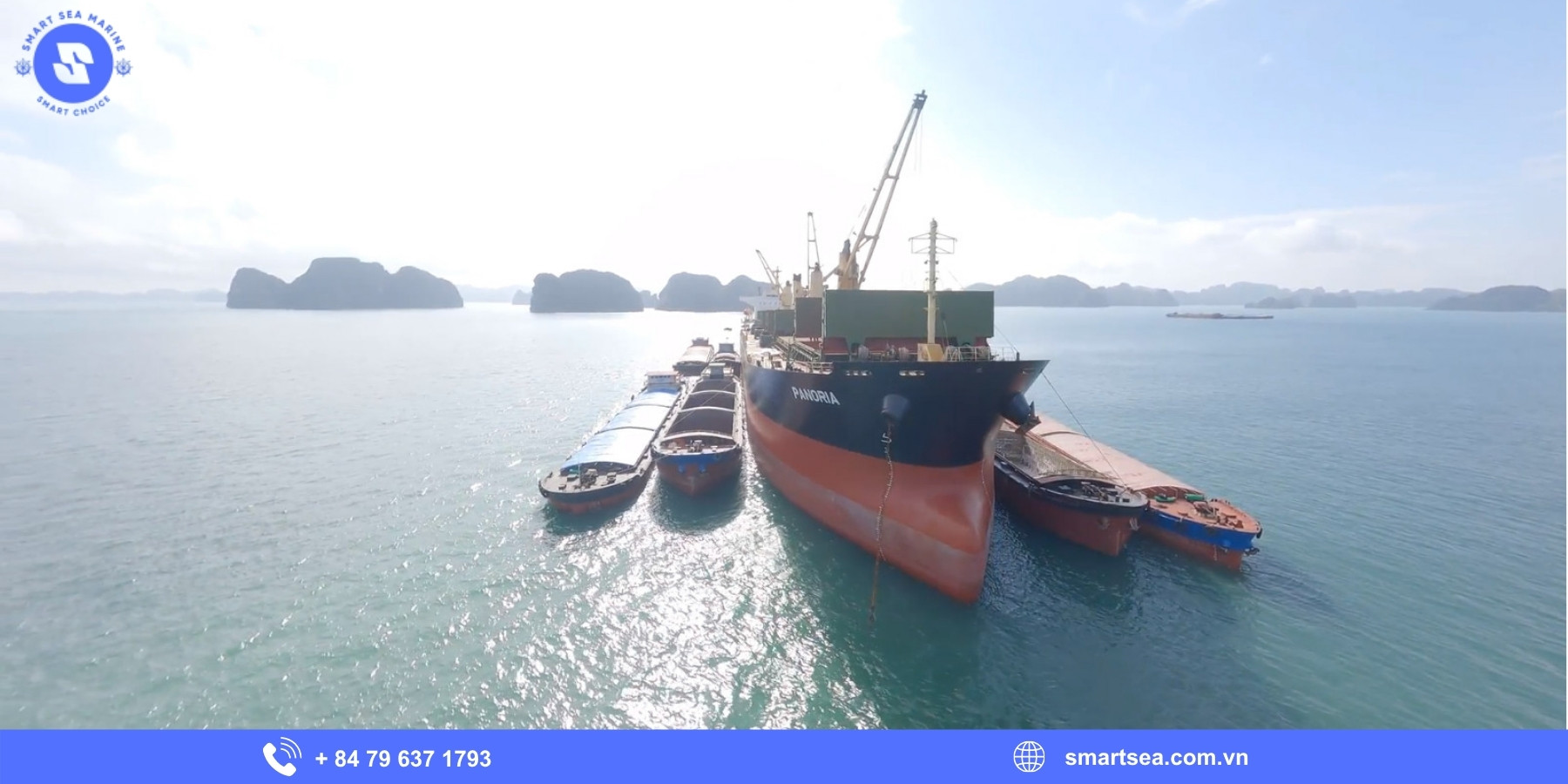
2. Pre-Arrival Services Checklist for Vessels Calling at Vietnamese Ports
Before a vessel arrives at a Vietnamese port, ship agents and businesses should review voyage information, statutory documentation, regulatory formalities, and operational support services. Checking each item helps stakeholders prepare resources proactively, control costs, and minimize omissions during vessel reception.
2.1 Verify Vessel Information and Estimated Schedule
Before vessel arrival in Vietnam, businesses should confirm the vessel's name, flag, IMO number, destination port, ETA, vessel type, and expected port stay duration to prepare appropriate reception arrangements. Any schedule changes must be promptly communicated to the ship agent and relevant stakeholders to ensure accurate service coordination and minimize delays.
2.2 Prepare Vessel Documentation and Pre-Arrival Declarations
Businesses should review statutory documents, vessel certificates, the Ship's General Declaration, Crew List, and relevant cargo documentation according to each voyage's requirements. Declaration deadlines, submission methods, and document consistency should also be checked to ensure missing documents can be provided before the vessel arrives.
2.3 Review Port Authority, Immigration, and Customs Procedures
Before vessel arrival, the ship agent should identify applicable maritime port authority, border guard, and customs procedures based on the vessel type, voyage, and cargo characteristics. Preparing the correct documentation, monitoring additional requirements, and coordinating with competent authorities help minimize errors and prevent disruptions to vessel reception plans.
2.4 Confirm Berthing, Anchorage, Pilotage, and Towage Services
Businesses should confirm berth or anchorage availability, pilotage schedules, tugboat arrangements, and vessel movement times according to the ETA and port reception capacity. Service charges and schedules should also be agreed upon in advance and updated whenever vessel schedules change to minimize waiting times and additional expenses.
2.5 Review Quarantine and Maritime Safety Requirements
Businesses should identify applicable health, animal, and plant quarantine requirements while reviewing the vessel's maritime safety and pollution prevention certificates. For dangerous goods or special cargo, relevant documentation should be prepared and specialized regulatory requirements verified to ensure compliance with regulations at the destination port.
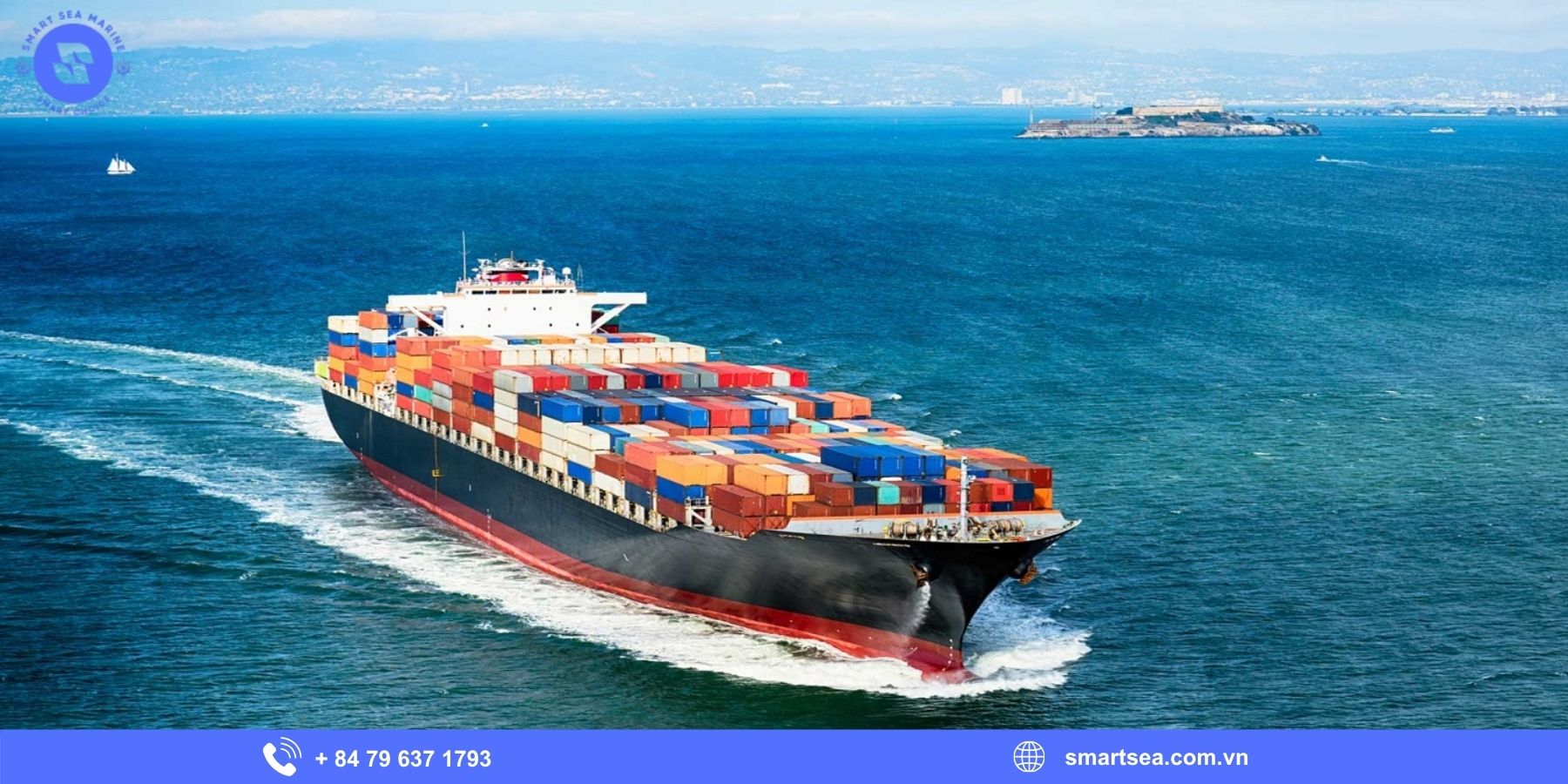
2.6 Arrange Crew Support Services
The ship agent should confirm requirements for crew changes, embarkation and disembarkation procedures, transportation, and accommodation to make suitable arrangements according to the vessel's schedule. Provisions, fresh water, bunkering, ship supplies, repairs, and technical support services should also be agreed upon before the vessel arrives.
2.7 Estimate Costs and Confirm Additional Services
Businesses should compile estimated expenses for berthing, anchorage, pilotage, towage, cargo handling, and supply services based on the vessel's actual requirements. Quotations, service scope, payment terms, and procedures for handling additional expenses should be clearly confirmed to maintain effective budget control.
2.8 Confirm Ship Agency Contacts and Coordination Arrangements
Businesses should agree on contact information, responsible personnel, and the scope of work among shipowners, masters, ship agents, port operators, and service providers. Before vessel arrival, all parties should review documentation progress, service schedules, and outstanding tasks to ensure timely resolution and smooth vessel reception.
3. Common Mistakes to Avoid When Preparing Vessel Arrival Services in Vietnam
Preparing services for vessels arriving in Vietnam requires accurate documentation, reliable scheduling, and effective coordination among stakeholders. Identifying common mistakes helps businesses prevent operational risks, minimize additional expenses, and ensure smoother port arrival procedures.
3.1 Late Submission or Incomplete Documentation
Late document submissions, missing certificates, or inaccurate information may interrupt vessel arrival clearance procedures. Businesses should verify documentation completeness, accuracy, and declaration deadlines to ensure missing documents are submitted promptly.
3.2 Failure to Update ETA and Vessel Schedule Changes
Changes to ETA or vessel schedules that are not communicated promptly may affect berth allocation, pilotage, towage, and other service arrangements. Ship agents should maintain regular communication with masters, update voyage information frequently, and immediately notify relevant parties whenever adjustments occur.
3.3 Unconfirmed Port Services and Costs
Failure to confirm service schedules, work scope, or quotations before vessel arrival may lead to additional expenses and operational disruptions. Businesses should agree on necessary services, payment conditions, and potential charges in advance to manage budgets proactively.
3.4 Inadequate Coordination Among Stakeholders
Poor coordination among shipowners, masters, ship agents, port operators, and service providers may result in delays, inconsistent information, or overlooked tasks. All parties should establish designated contact points, assign clear responsibilities, and provide regular progress updates to ensure preparations are completed consistently before vessel arrival.
=> Read more: What Services Does a Ship Agent Provide During a Vessel's Port Stay?
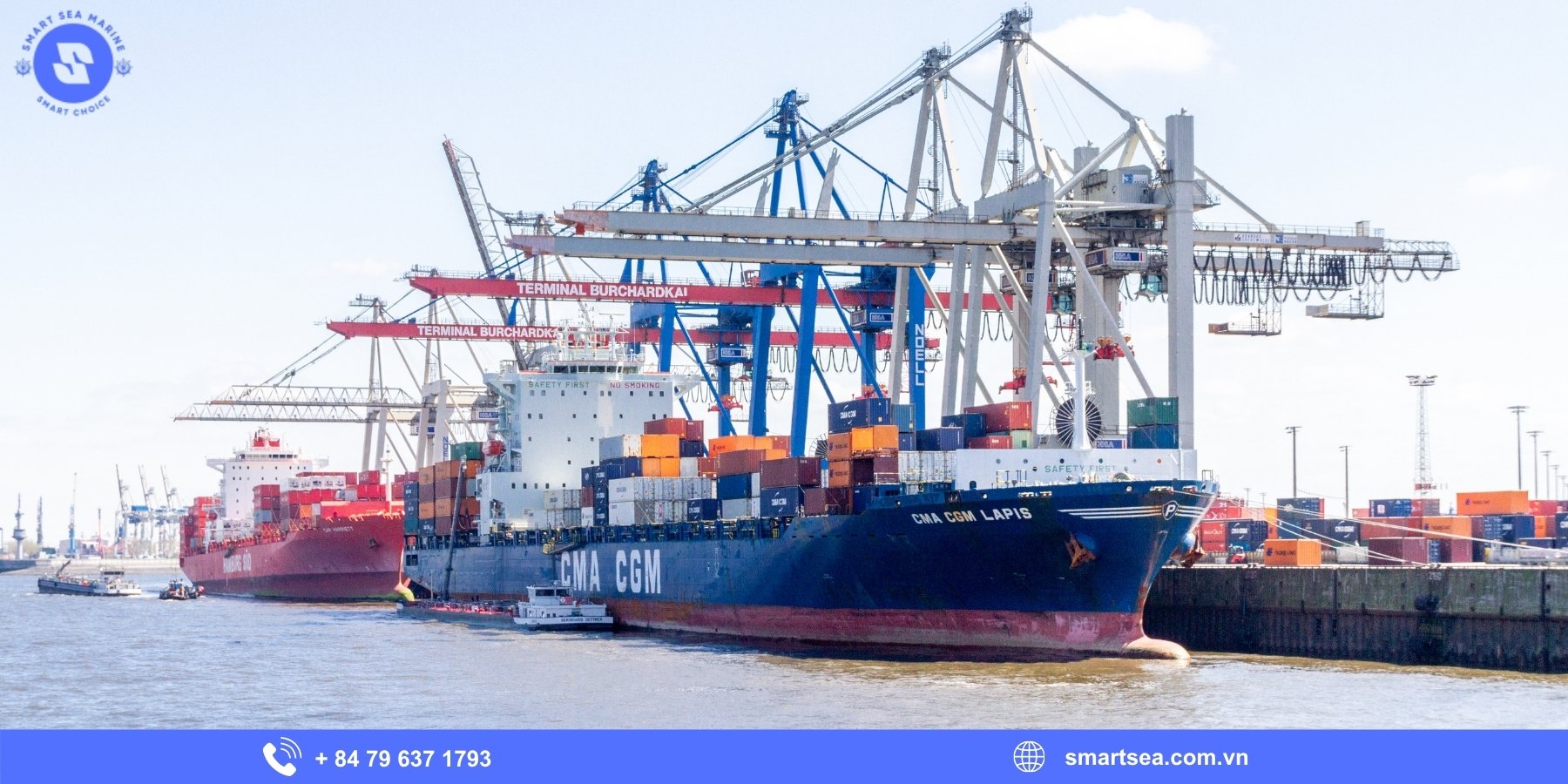
4. SmartSea - Professional Ship Agency Services in Vietnam
To minimize mistakes when preparing vessel arrival services in Vietnam, businesses should choose a ship agent capable of reviewing documentation, monitoring schedules, and coordinating services before vessels arrive. SmartSea supports the arrangement of essential vessel services, coordinates with relevant stakeholders, and provides timely information updates, helping businesses prepare proactively, minimize delays, and control additional costs.
Our Commitments:
-
Assist with reviewing documentation and preparing complete vessel arrival formalities within the required deadlines.
-
Monitor and update vessel schedules while coordinating adjustments when ETA changes.
-
Connect and coordinate port services according to each vessel's actual requirements.
-
Maintain transparency in cost information and help businesses control additional expenses.
-
Coordinate closely with shipowners, masters, and relevant stakeholders to facilitate smooth vessel arrivals.
Contact SmartSea today to discuss professional ship agency services in Vietnam. We assist with documentation preparation, clearance verification, and coordination of essential services before vessel arrival, helping businesses manage schedules proactively, minimize errors, and optimize operating costs.
CONTACT INFORMATION
SMART SEA MARINE COMPANY LIMITED
Address: 4th Floor, Q7 Boulevard Building, 600 Nguyen Luong Bang Street, Tan My Ward, Ho Chi Minh City, Vietnam
Email: ops@smartsea.com.vn
Hotline: +84 79 637 1793


